Advancing the Science and Care of Liver Disease: Highlights from the 6th Annual Liver Connect Meeting

The 6th Annual Liver Connect Meeting of the Chronic Liver Disease Foundation was held from February 26–28, 2026, at the Gaylord Pacific Resort & Convention Center in beautiful San Diego, California. The meeting brought together more than 500 in-person attendees, along with a substantial number of virtual participants from across the country and internationally. The scientific program covered the full spectrum of chronic liver diseases, including metabolic dysfunction–associated steatotic liver disease (MASLD), metabolic dysfunction–associated alcohol-related liver disease (MetALD), alcohol-associated liver disease (ALD), cholestatic liver diseases, viral hepatitis, cirrhosis, and pediatric hepatology. Sessions were designed to address both cutting-edge scientific advances and their practical application in clinical practice. Lectures were complemented by highly interactive discussions that engaged participants in thoughtful dialogue around emerging data, evolving therapeutic strategies, and implementation challenges. The meeting also provided valuable opportunities for collaboration and networking among attendees, distinguished faculty, and industry partners, further strengthening the shared commitment to advancing care for patients with chronic liver disease.

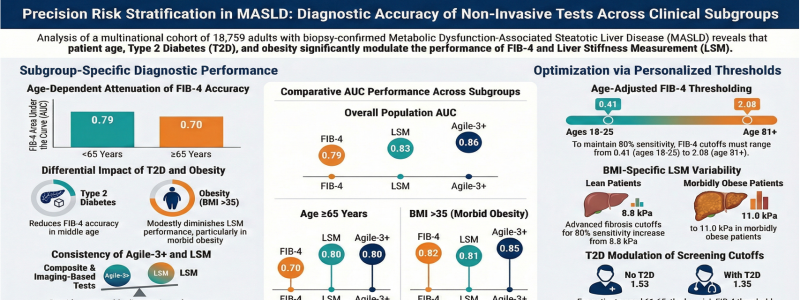
Performance of Non-Invasive Fibrosis Tests (NITs) in MASLD Varies by Age, Diabetes, and Obesity: Results from the Global MASLD (G-MASLD) Project from the Global NASH/MASH Council (GNC)

The G-MASLD project with 18,759 biopsy-confirmed MASLD patients from 41 countries has been carried out by members of GNC. The project continues to provide critical data about MASLD/MASH and NITs from real world practices. In this analysis of G-MASLD data, the diagnostic accuracy and performance of NITs were influenced by patient characteristics. FIB-4 performance declined with younger and older age as well as presence of type 2 diabetes, while liver stiffness measurement was mainly affected by obesity. Imaging-based and clinical composite tests, especially Agile-3+ and Agile-4 showed more stable performance across subgroups.

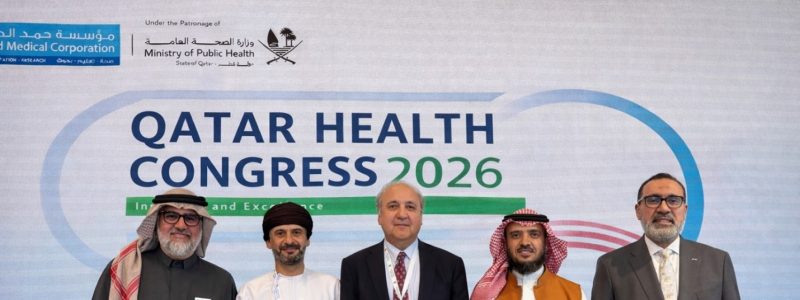
The Global NASH/MASH Council (GNC) at Qatar Health Congress 2026 (January 29–31, 2026)

The Global NASH/MASH Council (GNC) was pleased to collaborate with Qatar Health Congress 2026 to address key topics in MASLD and MASH. The Congress was co-organized under the leadership of Professor Abdel-Naser Elzouki, Chair of the Scientific Committee and a member of the GNC, by the Department of Medicine at Hamad Medical Corporation, in collaboration with the American College of Physicians, Mayo Clinic, and the Royal Colleges of Physicians (Edinburgh, Glasgow, and London), as well as the Global NASH/MASH Council (GNC). The Congress was attended by approximately 2000 participants from Qatar, the Gulf, and across the MENA region and covered a broad range of topics in internal medicine. In collaboration with Qatar Health Congress 2026 and the Steatotic Liver Disease Research Foundation in the MENA region (SLMENA), the GNC organized a dedicated scientific session entitled “From MASLD to MASH: Advances in Diagnosis and Management.” This symposium was highly interactive and featured presentations on MASH delivered by GNC members from the region. In addition, Zobair Younossi delivered a state-of-the-art lecture entitled “The Growing Burden of MASLD and Its Management in 2026: Challenges, Innovations, and Future Directions.” The GNC is delighted to support this very important region of the world in all our activities.

Highlights from Paris International Liver Meeting 2026

The first Paris International Liver Meeting (PILM 2026) was a highly successful three-day scientific conference held from January 19–21, 2026. The meeting featured outstanding scientific sessions covering key areas including MASLD, MetALD, alcohol-associated liver disease, viral hepatitis, hepatocellular carcinoma, cholestatic liver diseases, and complications of cirrhosis. To watch the highlights from the meeting, please click the link below:

The Inaugural Paris International Liver Meeting (PILM 2026)

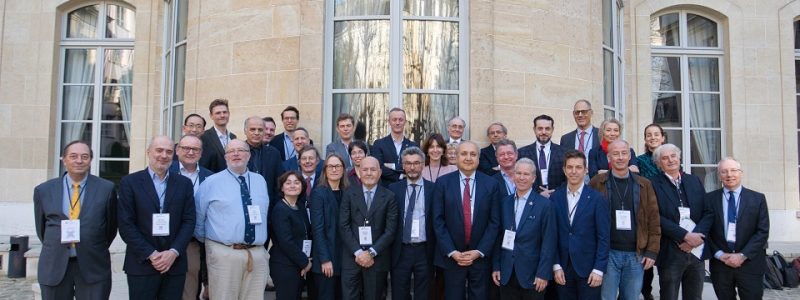
The first Paris International Liver Meeting (PILM 2026) was organized by Professors Laurent Castera and Zobair Younossi, together with the Scientific Committee. This three-day meeting was attended by 722 participants (449 on site and 273 virtual) from 67 countries and was highly successful. Scientific sessions covered key areas including MASLD, MetALD, alcohol-associated liver disease, hepatocellular carcinoma, viral hepatitis, cholestatic liver diseases, and complications of cirrhosis, and were delivered by internationally recognized experts from across the globe. The program also featured multiple state-of-the-art lectures, numerous lunchtime breakout sessions, an industry corner, and several industry- and CME-sponsored symposia. The meeting provided an excellent platform for interactive discussions and meaningful engagement among colleagues from academia, clinical practice, and industry. The next Paris International Liver Meeting (PILM 2027) is tentatively scheduled for January 18-20, 2027. PILM 2026 was officially endorsed by EASL, the Global Liver Council (GLC), and the Global NASH/MASH Council (GNC).

Inaugural Paris International Liver Meeting 2026: Bringing Cutting-Edge Science and Clinical Practice Together in Liver Disease

We’re excited to take part in the inaugural Paris International Liver Meeting (PILM), held 19–21 January 2026 at the historic Maison de la Chimie in Paris. PILM 2026 will showcase a robust program featuring global leaders in Steatotic Liver Disease (MASLD/MASH, MetALD, ALD), cholestatic liver disease (PBC, PSC), viral hepatitis, and complications of cirrhosis. Each session is designed to promote meaningful exchange across clinical practice, research, and industry. The meeting will include case-based workshops, focused symposia on MASH, cholestatic liver disease, and obesity, and an Industry Corner highlighting the latest therapeutic innovations shaping the future of hepatology. We also look forward to the scientific abstract presentations, offering a valuable platform for researchers to share new insights with peers. We encourage colleagues and trainees to register and submit abstracts to showcase their work. Looking forward to an impactful and inspiring PILM 2026 in Paris!

Major Publications in Hepatology from the Global NASH/MASH Council (GNC)

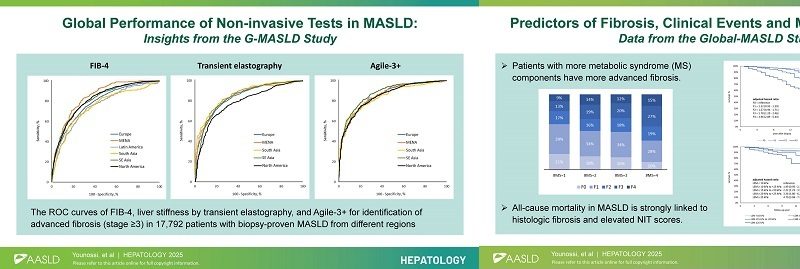
Members of the Global NASH/MASH Council (GNC) have recently published two major original manuscripts in Hepatology. The GNC Collaborators created the Global-MASLD project, a cohort of 17,792 biopsy-proven MASLD cases with extensive clinical, laboratory, non-invasive test (NIT) data, and long-term outcomes. In the first manuscript, “Global Performance of Non-Invasive Tests in MASLD: Insights from the G-MASLD Study,” the group evaluates the performance of commonly used NITs across different regions of the world. The analysis shows that the diagnostic accuracy of NITs for fibrosis in MASLD varies geographically, with the Agile-3+ and Agile-4 composite scores demonstrating the highest accuracy (link to PDF). The second manuscript, “Predictors of Fibrosis, Clinical Events, and Mortality in MASLD: Data from the Global-MASLD Study,” demonstrates that both histologic stage and fibrosis-related NITs are independent predictors of clinical outcomes in MASLD. Notably, the strength of association was greater for certain NITs than for histology (link to PDF). Together, these studies highlight that NITs are the most clinically relevant predictors of outcomes in MASLD. Both studies support the use of NITs as key endpoints in clinical research and as the most meaningful measures for MASH clinical trials.

The Global NASH/MASH Council (GNC) and Global Liver Council (GLC) Actively Participated in the AASLD Meeting in Washington, D.C. (November 7–11)

This year’s AASLD meeting was a highly productive and engaging event for members of the Global NASH/MASH Council (GNC) and Global Liver Council (GLC). In addition to hosting a successful joint annual GNC/GLC meeting featuring insightful presentations and discussions, members also delivered a total of 18 research presentations, including 4 oral presentations and 14 poster presentations — 3 of which were recognized as Posters of Distinction. ordTitleAuthorsType- 3The Impact of Metabolic Risks and Alcohol Use on Disease Severity in Patients with Metabolic Dysfunction-Associated Steatotic Liver Disease (MASLD)Zobair M Younossi, Leyla de Avila, Salvatore Petta, Hannes Hagstrom, Seung Up Kim, Atushi Nakajima, Javier Crespo, Laurent Castera, Naim Alkhouri, Ming-Hua Zheng, Sombat Treeprasertsuk, Prooksa Ananchuensook, Shalimar , Emmanuel A. Tsochatzis, Shenoy Kotacherry Trivikrama, Leena Kondarappassery Balakumaran, Jian-Gao Fan, Stuart Roberts, Khaled Alsawat, Vincent Wai-Sun Wong, Yusuf Yilmaz, Winston Dunn, Sven Francques, Ahmed Cordie, Ming-Lung Yu, Mattias Ekstedt, Goerge Boon Bee Goh, C.P Oliveira, Mario Guimaraes Pessoa, Wah Kheong Chan, Marlen Fernandez, Ajay Duseja, Juan Pablo Arab, Georgios Papatheodoridis, Giada Sebastiani, Cristiane Villela-Nogueira, Roberta D'Ambrosio, Pietro Lampertico, Khalid Alnaamani, A.G. Holleboom, Arun Valsan, Arathi Venu, Mohamed El Kassas, Grazia Pennisi, Ying Shang, Wen-Yue Liu, Hye Won Lee, Takashi Kobayashi, Satoru Kakizaki, Cyrielle Caussy, Brian Pearlman, Paula Iruzubieta, Rida Nadeem, Felice Cinque, Antonia Neonaki, Mirko Zoncape, Rui-Xu Yang, Sherlot Juan Song, Nicholas Dunn, Zouhir Gadi, Ming-Lun Yeh, Kevin Kim-Jun Teh, Sanjiv Mahadeva, Licet Gonzalez Fabian, Ahmed Almohsen, Nathalie Leite, Nicola Pugliese, Johan Vessby, Chencheng Xie, Narendra S Choudhary, Ethan Friend, Maria Poca, Takumi Kawaguchi, Francesco Paolo Russo, Adrian Gadano, Luis Antonio Diaz, Ashwani K. Singal, Bérénice Ségrestin, Nadege T Gunn, Didac Mauricio, Marco Arrese, Anna Ludovica Fracanzani, Rosa Lombardi, Brian P. Lam, Andrei Racila, Saleh Alqahtani, Maria StepanovaOralView 4Improvement In Health-Related Quality of Life After Treatment with Resmetirom in Cirrhotic and Non-Cirrhotic Patients with Metabolic Dysfunction Associated Steatotic Liver Disease: Data From MAESTRO-NAFLDZobair M Younossi, Fatema Nader, Dominic Labriola, Rebecca A Taub, Andrei Racila, Maria StepanovaOralView 5Premature Mortality Across the Steatotic Liver Disease (SLD) Spectrum Is Driven by Binge Drinking and Metabolic ConditionsZobair M Younossi, James Minhui Paik, Shira Zelber-Sagi, Fatema Nader, Ariana Nader, Rand Alkalbani, Amolika Gupta, Manuel Alexander Reyes, Kathryn Hobbs, Saleh Alqahtani, Linda HenryPoster of DistinctionView 6The Profile of Hepatitis D Virus (HDV)-Infected Patients Receiving a Liver Transplant in the United States and Europe over the Past Two DecadesZobair M Younossi, Giacomo Germani, Robert John Wong, Maria Stepanova, Fatema Nader, Vincent Karam, Maria Buti, Georgios Papatheodoridis, Pietro Lampertico, Saleh Alqahtani, Estella Alonso, Linda Henry, Patrizia BurraPoster of DistinctionView 7Two-Decade Trends in Metabolic Dysfunction Associated Steatotic Liver Disease (MASLD) and Its Complications in the Middle East and North Africa (MENA) (2010–2021)Zobair M Younossi, James Minhui Paik, Yusuf Yilmaz, Mustafa Kanat, Mohamed El Kassas, Said A. Al-Busafi, Khalid M. AlNaamani, Khaled Alsawat, Ahmed Cordie, Ashraf Abdelaziz Osman, Nabil Debzi, Jawad Khamis, Mohammad M. Hassanein, Mohamed MA. Abu-Farha, Fahd Al-Mulla, Faisal Abaalkhail, Asrar Alaklabi, Linda Henry, Shira Zelber-Sagi, Saleh AlqahtaniPoster of DistinctionView 8Performance of FIB-4 Varies Greatly According to Age Groups in Metabolic Dysfunction-Associated Steatotic Liver Disease (MASLD): Data from Global MASLD ProjectZobair M Younossi, Leyla de Avila, Salvatore Petta, Hannes Hagstrom, Seung Up Kim, Atushi Nakajima, Javier Crespo, Laurent Castera, Naim Alkhouri, Ming-Hua Zheng, Sombat Treeprasertsuk, Prooksa Ananchuensook, Shalimar , Emmanuel A. Tsochatzis, Shenoy Kotacherry Trivikrama, Leena Kondarappassery Balakumaran, Jian-Gao Fan, Stuart Roberts, Khaled Alsawat, Vincent Wai-Sun Wong, Yusuf Yilmaz, Winston Dunn, Sven Francques, Ahmed Cordie, Ming-Lung Yu, Mattias Ekstedt, Goerge Boon Bee Goh, C.P Oliveira, Mario Guimaraes Pessoa, Wah Kheong Chan, Marlen Fernandez, Ajay Duseja, Juan Pablo Arab, Georgios Papatheodoridis, Giada Sebastiani, Cristiane Villela-Nogueira, Roberta D'Ambrosio, Pietro Lampertico, Khalid M. AlNaamani, A.G. Holleboom, Arun Valsan, Arathi Venu, Mohamed El Kassas, Grazia Pennisi, Ying Shang, Wen-Yue Liu, Hye Won Lee, Takashi Kobayashi, Satoru Kakizaki, Cyrielle Caussy, Brian Pearlman, Paula Iruzubieta, Rida Nadeem, Felice Cinque, Antonia Neonaki, Mirko Zoncape, Rui-Xu Yang, Sherlot Juan Song, Nicholas Dunn, Zouhir Gadi, Ming-Lun Yeh, Kevin Kim-Jun Teh, Sanjiv Mahadeva, Licet Gonzalez Fabian, Ahmed Almohsen, Nathalie Leite, Nicola Pugliese, Johan Vessby, Chencheng Xie, Narendra S Choudhary, Ethan Friend, Maria Poca, Takumi Kawaguchi, Francesco Paolo Russo, Adrian Gadano, Luis Antonio Diaz, Ashwani K. Singal, Bérénice Ségrestin, Nadege T Gunn, Didac Mauricio, Marco Arrese, Anna Ludovica Fracanzani, Rosa Lombardi, Brian P. Lam, Andrei Racila, Saleh Alqahtani, Maria StepanovaPosterView 9Common Single Nucleotide Polymorphism Distribution and Associations with A Surrogate of Liver Disease Severity in MASLD Patients from the United States (U.S.) and TaiwanMaria Stepanova, Mei Hsuan Lee, James M. Estep, Yan-Ling You, Xia-Rong Liu, Leyla de Avila, Brian P. Lam, Zobair M YounossiPosterView 10Impaired Working Memory in Individuals with Metabolic Dysfunction-Associated Steatotic Liver Disease (MASLD) and FatigueAli Weinstein, Leyla de Avila, Brian P. Lam, Jillian Kallman Price, Carey Escheik, Lynn Gerber, Zobair M YounossiPosterView 11Spontaneous Progression and Regression of Fibrosis in Metabolic Dysfunction Associated Steatohepatitis (MASH)Zobair M Younossi, Maria Stepanova, Brian P. Lam, Daisong Tan, Andrei Racila, Manirath Srishord, Linda Henry, Fatema NaderPosterView 12Low Disease Awareness Among Metabolic Dysfunction-associated Steatotic Liver Disease (MASLD) and MASLD Cirrhosis in the United StatesZobair M Younossi, James Minhui Paik, Leyla de Avila, Brian P. Lam, Andrei Racila Jr., Annette Paik, Ariana Nader, Asrar Alaklabi, Fatema Nader, Andrei Racila, Linda Henry, Saleh AlqahtaniPosterView 13Trends in Premature Mortality and Leading Causes of Death in the Spectrum of Steatotic Liver Disease (SLD) Including Metabolic Dysfunction-Associated Steatotic Liver Disease (MASLD), Alcohol-Related Liver Disease (ALD), and Metabolic Dysfunction and Alcohol-Related Liver Disease (MetALD): A U.S. Nationwide Analysis (2010-2024)Dana Ivancovsky-Wajcman, James Minhui Paik, Shira Zelber-Sagi, Linda Henry, Saleh Alqahtani, Zobair M YounossiPosterView 16The Profile and Outcomes of Liver Transplantation in the United States and 30 European CountriesZobair M Younossi, Giacomo Germani, Robert John Wong, Maria Stepanova, Fatema Nader, Jiun Na, Vincent Karam, Rene Adam, Saleh Alqahtani, Linda Henry, Patrizia BurraPosterView 17Alcohol Intake Adjustment and Previous History of Alcohol Use Uncover Hidden Risk of Premature Mortality Among Patients with Steatotic Liver DiseaseJames Minhui Paik, Dana Ivancovsky-Wajcman, Shira Zelber-Sagi, Andrei Racila, Saleh Alqahtani, Zobair M YounossiPosterView 14Polymorphism Rs7903146 of TCF7L2 Gene is Associated with Type 2 Diabetes and Cardiovascular Risk Biomarker in Patients with Metabolic Dysfunction Associated Steatotic Liver Disease (MASLD)Brian P. Lam, James M. Estep, Mustafa Kanat, Mehmet Ali Agirbasli, Maria Stepanova, Zobair M YounossiPosterView 15The Rising Global Clinical and Economic Burden of Metabolic Dysfunction–Associated Steatohepatitis (MASH) Driven by Type 2 Diabetes (T2D): A 20-Year Modeling Study Across Nine CountriesZobair M Younossi, James Minhui Paik, Cyrielle Caussy, Amalia Gastaldelli, Michael Roden, Scott Isaacs, Cristiane Villela-Nogueira, Jeremy Tomlinson, Hussain Abdulrahman Al-Omar, Patrizia Burra, Yuichiro Eguchi, Javier Crespo, Elisabetta Bugianesi, Jerome Boursier, Mario Guimaraes Pessoa, Frank Tacke, Manuel Romero-Gomez, Hirokazu Takahashi, C.P Oliveira, Paul N Brennan, Takumi Kawaguchi, Faisal Abaalkhail, Vincent Wai-Sun Wong, Philip N Newsome, Fatema Nader, Linda Henry, Shira Zelber-Sagi, Laurent Castera, Saleh AlqahtaniPosterView 18Hepatitis D Seropositivity is Associated with Higher Premature Mortality Among Hepatitis B Surface Antigen Carriers in the United States: Data from National Health and Nutrition Examination Survey (NHANES) 2011-2018Zobair M Younossi, James Minhui Paik, Georgios Papatheodoridis, Veronica Nguyen, Pietro Lampertico, Rafael Esteban, Saleh Alqahtani, Zohal Zekrya, Linda Henry, Maria ButiPosterView 1Structural Determinants of Preventable MASLD-Related Premature Liver Mortality Across U.S. Counties: A Nationwide Ecological Analysis (2010–2020)James Minhui Paik, Shira Zelber-Sagi, Annette Paik, Linda Henry, Yusuf Yilmaz, Mohamed El Kassas, Saleh Alqahtani, Zobair M YounossiOralView 2Older Patients with Metabolic Dysfunction-associated Steatotic Liver Disease (MASLD) Have Higher Rates of Lean MASLD and More Advanced Fibrosis but Better Health Related Quality of Life (HRQL)Yusuf Yilmaz, Ming-Lung Yu, Mohamed El Kassas, Vasily Isakov, Marlen Fernandez, Vincent Wai-Sun Wong, Yuichiro Eguchi, Manuel Romero-Gomez, Ajay Duseja, Elisabetta Bugianesi, Wah Kheong Chan, Khaled Alsawat, Saeed S Hamid, Ashwani K. Singal, Jian-Gao Fan, Georgios Papatheodoridis, Stuart C. Gordon, Ziad Younes, Stuart Roberts, Nahum Mendez-Sanchez, Caglayan Keklikkiran, Asrar Alaklabi, Brian P. Lam, Fatema Nader, Linda Henry, Maria Stepanova, Saleh Alqahtani, Zobair M YounossiOralView

Global NASH/MASH Council (GNC) and Global Liver Council (GLC) Bi-annual Meeting at AASLD 2025, Washington, D.C.

Over 100 members of the Global NASH/MASH Council (GNC) and the Global Liver Council (GLC), representing leading hepatology experts from more than 30 countries worldwide, attended the 11th bi-annual GNC/GLC meeting held during AASLD 2025 in Washington, D.C. The meeting commenced with opening remarks from Professor Zobair Younossi, Chair of the GNC/GLC, who highlighted the councils’ remarkable accomplishments and productivity over the past years, including more than 45 ongoing global collaborative projects. This was followed by an insightful presentation from our active collaborators in Saudi Arabia, showcasing their impressive nationwide screening initiatives for MASLD and other liver diseases. The scientific program featured distinguished lectures by Professors Emmanuel A. Tsochatzis, Laurent Castera, Vincent Wong, Naim Alkhouri, Manal Abdelmalek, Shira Zelber-Sagi, and Aleksander Krag, who shared the latest data on MASLD related to non-invasive tests (NITs), risk stratification algorithms, new therapeutic options, lifestyle interventions, and the evolving concept of the dynamic spectrum of steatotic liver disease (SLD). The meeting was enriched by lively discussions and constructive debates addressing the most pressing issues in MASLD and SLD, fostering collaboration and knowledge exchange among global leaders. As proud members of the GNC/GLC, we remain committed to advancing the field of hepatology, promoting patient-centered care, and supporting policy initiatives that raise global awareness of liver disease, particularly MASLD as a critical non-communicable liver disease. We look forward to continued productivity and impactful global collaboration in our shared mission to improve liver health worldwide.

Projected Global Clinical, Humanistic, and Economic Impact of Metabolic Dysfunction-Associated Steatohepatitis (MASH)

MASH is rapidly emerging as one of the most common causes of chronic liver disease worldwide, yet its economic impact has often been underestimated. The Global NASH/MASH Council (GNC) recently conducted an in-depth analysis of the future burden of MASH across nine countries, including the U.S., Germany, France, UK, Italy, Spain, Japan, Brazil, and Saudi Arabia, projecting clinical, humanistic, and economic trends through 2040. The findings are striking. MASH cases and the associated healthcare costs are projected to rise sharply in every country studied. Beyond direct medical expenses, the disease also drives growing productivity losses and declines in quality of life. As obesity and type 2 diabetes continue to rise, MASH is no longer just a liver disease, it is a global health and economic crisis in the making. The message for clinicians, policymakers, and health systems is clear: addressing MASH will require urgent, coordinated action across sectors. The time to act is now - to protect patients, reduce costs, and improve lives